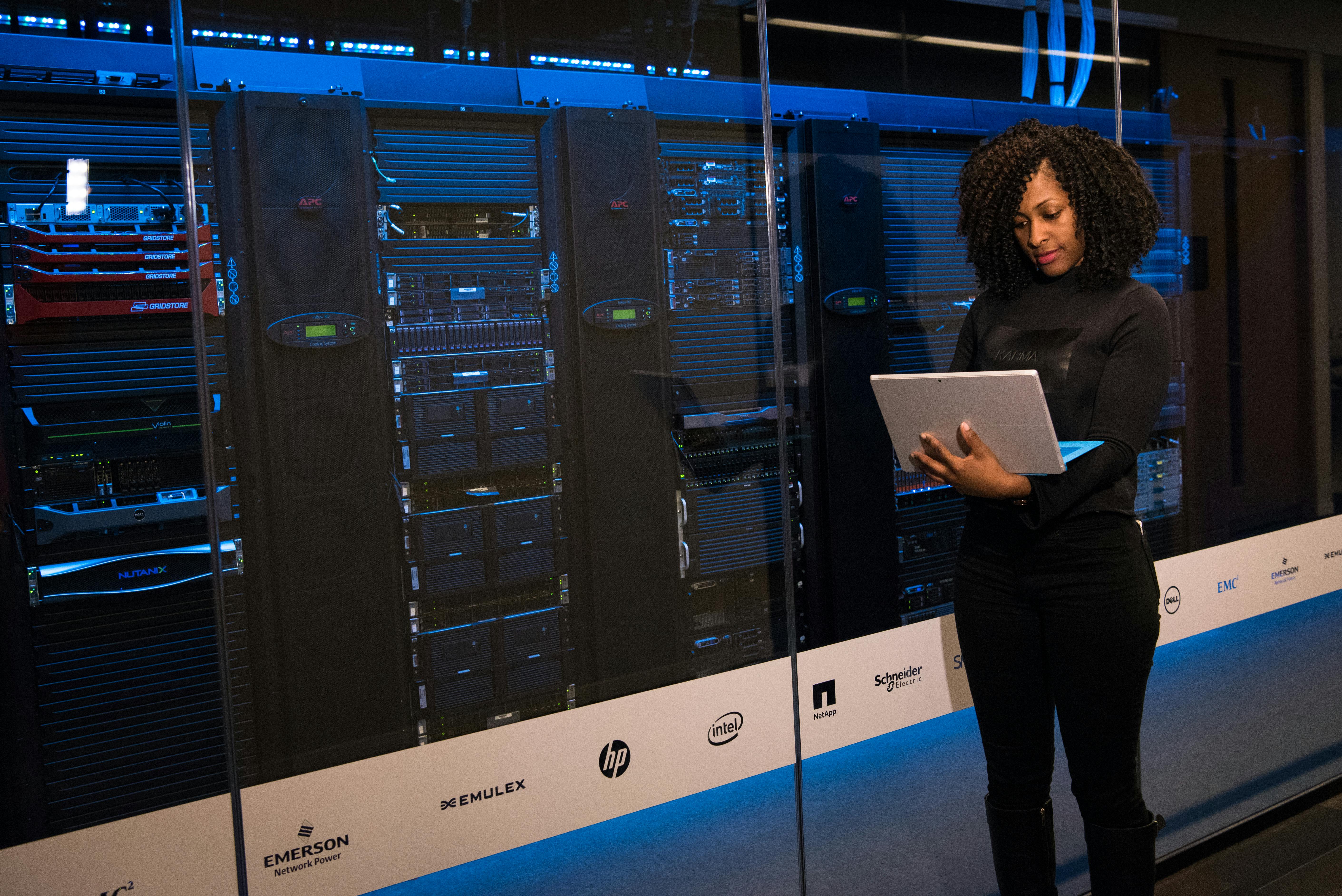
Data centres used to sit in the background of most hiring conversations. They were part of the environment rather than part of the strategy. As demand for AI, cloud capacity and digital infrastructure rises, data centres are becoming more visible in board-level decisions, infrastructure planning and investment. In the UK, investment in data centres is projected to rise sharply over the next few years, while demand for capacity has surged since generative AI became mainstream. At the same time, there is growing scrutiny around power, cooling and wider infrastructure requirements.
This is no longer just a story about buildings, power or storage. It is a story about what organisations now need from the people responsible for keeping critical environments stable, scalable and commercially viable.
Why this is becoming a hiring issue
When data centre growth accelerates, the impact does not stop at physical capacity. It affects cloud operations, platform resilience, network design, energy management, systems performance and long-term infrastructure planning.
That means organisations are no longer hiring only for traditional infrastructure support. They are increasingly looking for people who can operate in environments where uptime, efficiency, scalability and resilience all carry greater weight. As infrastructure becomes more critical to growth, the cost of weak technical ownership becomes more visible.
In practical terms, this pushes infrastructure hiring closer to business risk. Delays, skill gaps or weak design decisions now have wider consequences because they affect capacity, service stability and future readiness, not just day-to-day operations.
Why the skills mix is changing
The infrastructure roles that mattered most a few years ago are still important, but they are no longer enough on their own. Growth in data centres and AI-related capacity is increasing demand for people who understand performance under load, power and cooling constraints, automation, observability, platform operations and systems resilience.
This creates a different hiring profile. Employers need infrastructure professionals who can think beyond maintenance and support. They need people who understand how systems behave at scale and how infrastructure decisions affect commercial performance over time. In a more selective market, that pushes demand toward narrower, more applied capability.
It also raises the value of engineers and architects who can work across boundaries. The strongest people in this space are often the ones who can connect infrastructure, cloud, operations and long-term planning, rather than staying within one technical lane.
Why resilience is moving to the centre
One of the clearest consequences of data centre growth is that resilience is no longer treated as a secondary benefit. It is becoming part of the core hiring brief. As capacity expands, systems become more interconnected and dependency on third-party infrastructure increases, resilience starts to shape who gets hired and why. Organisations need people who can reduce fragility, support continuity and make infrastructure more predictable under pressure. That makes operational judgement more valuable than simple familiarity with a toolset.
Infrastructure hiring is becoming more specialised. A candidate who can keep systems stable, automate well and make sound decisions under constraint is now more commercially important than a broadly defined infrastructure generalist in many environments.
Why energy and capacity now affect technical hiring
Another change is that infrastructure hiring is being shaped more directly by energy and capacity constraints. Data centre growth has increased attention on electricity demand, cooling requirements and the wider environmental footprint of digital infrastructure. Those pressures are now part of the context in which infrastructure decisions are made.
That does not mean every infrastructure role suddenly becomes an energy role. It does mean that efficiency, planning discipline and capacity awareness matter more than they did before. The infrastructure professionals who stand out are increasingly the ones who can think in terms of operational trade-offs, not just technical build.
What this means for hiring managers
For hiring managers, the practical implication is that infrastructure briefs need to become more specific. A generic requirement for cloud or infrastructure support may no longer reflect the real problem. The real need might sit around resilience, automation, systems performance, platform maturity or capacity planning. When the brief stays broad, the role becomes harder to define and harder to sell. When the brief is tied to a real operational pressure point, hiring tends to move more effectively because the market can understand what success looks like. This matters more in 2026 because the market is not uniformly active. Broader hiring remains cautious, but specialist demand is still strong where infrastructure capability affects delivery and growth directly.
Data centre growth is changing infrastructure hiring because it is changing what infrastructure is expected to carry. As demand for digital capacity rises and critical systems come under greater pressure, organisations need people who can do more than maintain environments. They need people who can make those environments stronger, more efficient and more resilient as the stakes rise.
The hiring challenge is no longer about broad coverage. It is about finding people with the judgement to support scale without losing control. Infrastructure hiring is becoming more specialised, more strategic and more closely tied to business confidence.